Colonoscopy and endoscopy are common procedures used to look closely at the digestive tract.
They help us understand what may be causing symptoms such as abdominal pain, bleeding, reflux, difficulty swallowing, or changes in bowel habits. Your doctor will talk with you about why the procedure is needed and what we are looking for before it is arranged.
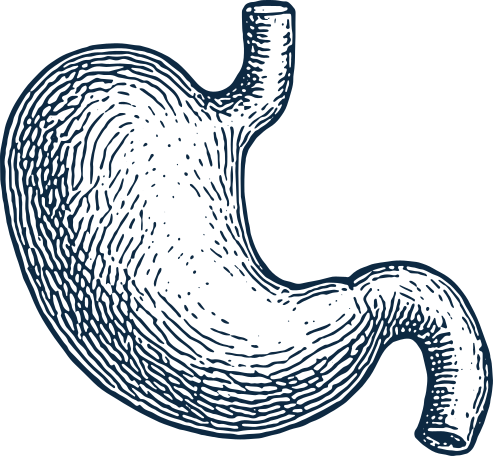
An endoscopy examines the oesophagus, stomach and the first part of the small intestine.
It is often used for:
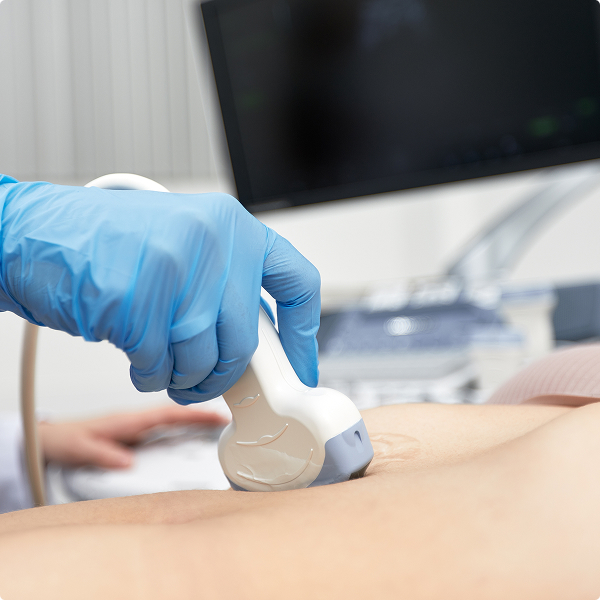
A colonoscopy examines the large bowel (colon).
It is commonly used for:
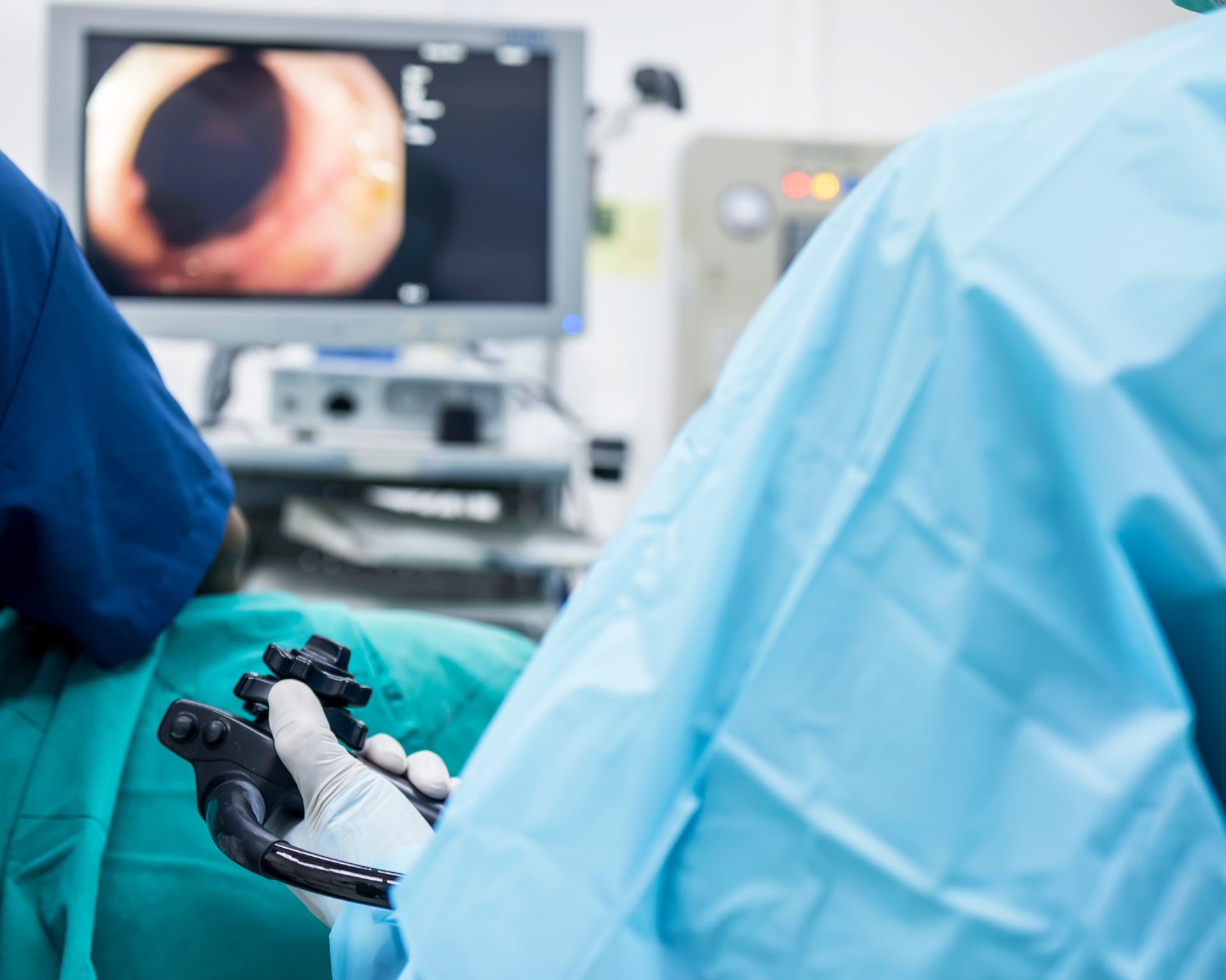
Both colonoscopy and endoscopy are done under sedation, so you’ll be relaxed and unaware during the procedure. On the day, our nursing team will explain each step and your doctor will speak with you afterwards about what was seen and what happens next.
You’ll need someone to drive you home and stay with you for the rest of the day. Most people return to normal activities the following day.
A quick, painless scan that measures liver stiffness to detect and monitor fibrosis or cirrhosis.
Learn moreA small, swallowable camera that captures detailed images of the small intestine, allowing non-invasive investigation.
Learn moreSpecialist imaging and treatment procedures for the bile duct, gall bladder, pancreas, and liver.
Learn more