
ERCP and EUS are specialised procedures used to examine the bile ducts, gallbladder and pancreas. They allow doctors to understand what may be causing symptoms such as abdominal pain, jaundice, pancreatitis, abnormal liver tests, or bile duct narrowing or blockages.
Your doctor will recommend ERCP or EUS if standard scans have not provided enough detail or if treatment may be required at the same time as diagnosis.
EUS uses an endoscope with ultrasound to create detailed images from inside the body. It helps assess structures such as the pancreas and bile ducts, and may be used to take small tissue samples if needed.
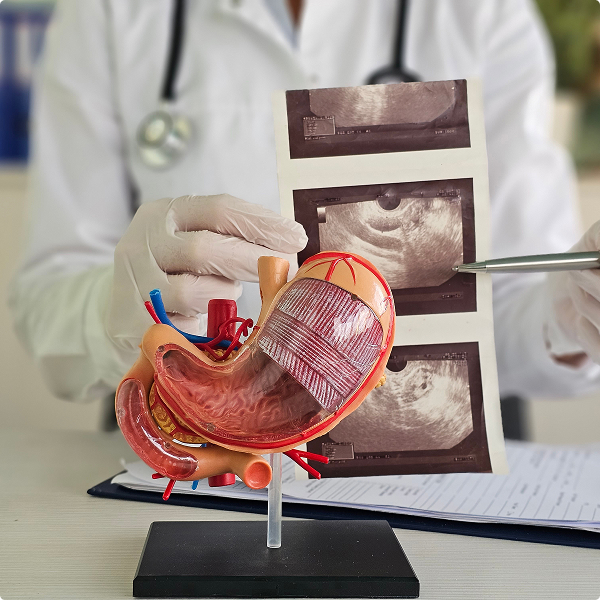
ERCP is a specialised endoscopic procedure used to diagnose and treat conditions affecting the bile ducts, gallbladder and pancreas. During the procedure, a thin flexible tube with a camera (endoscope) is passed through the mouth into the small intestine, where contrast dye and X-ray imaging are used to examine the ducts. ERCP can also be used to remove gallstones, place stents, take tissue samples or relieve blockages.
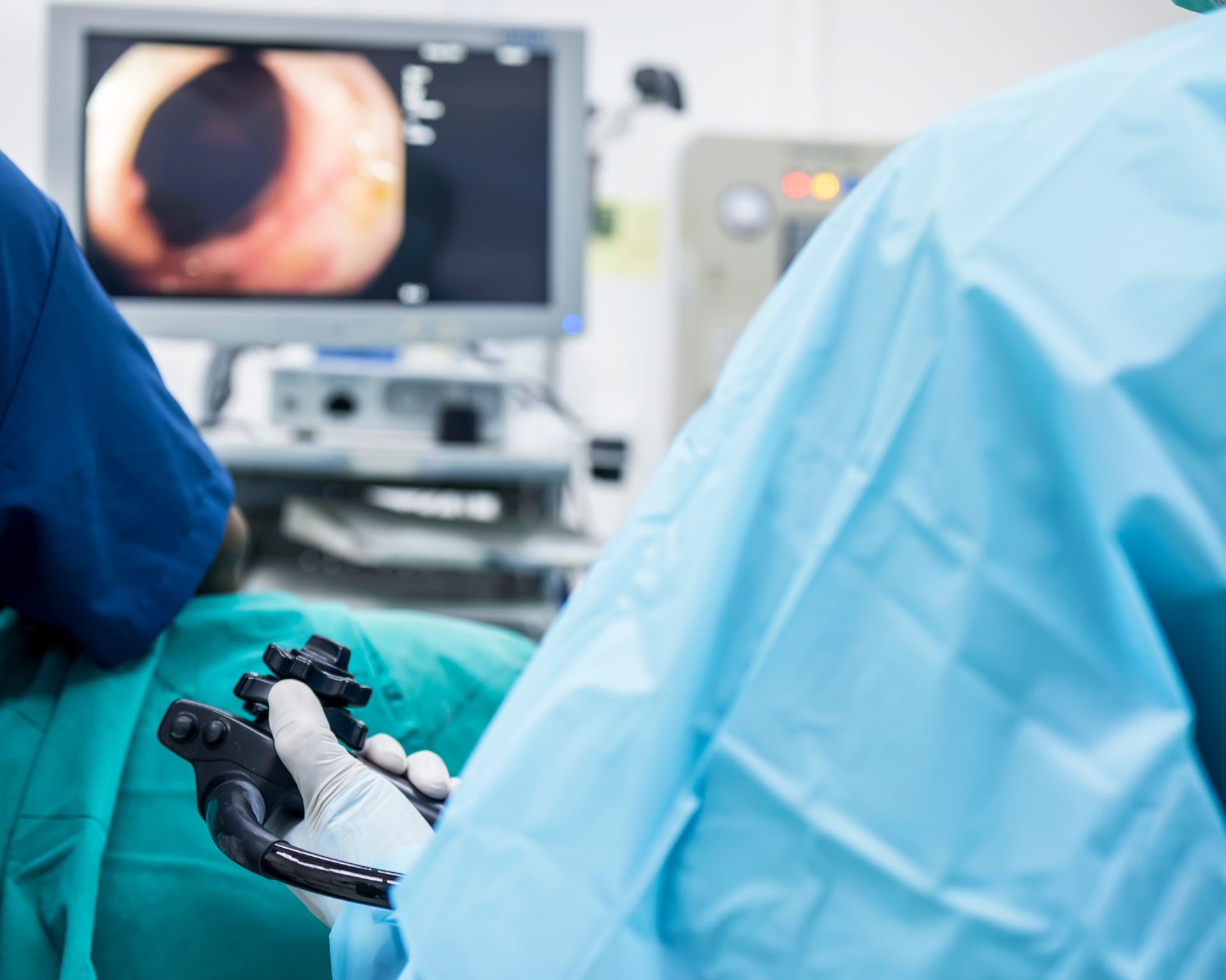
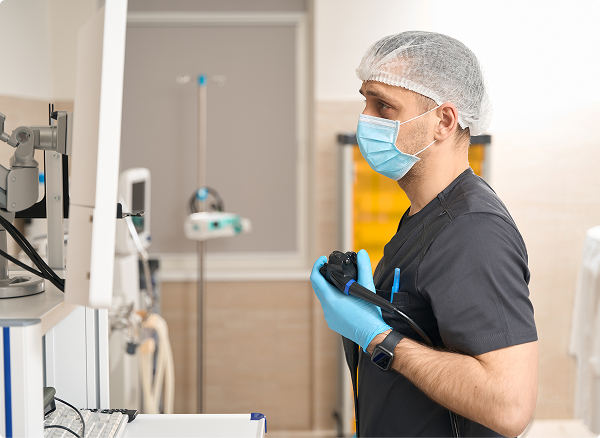
Both EUS and ERCP are performed in hospital under sedation, so you’ll be comfortable and unaware during the procedure. You’ll be given instructions before the day, which usually include fasting for a period of time and reviewing certain medications.
On arrival, our care team will guide you through each step. After the procedure, you’ll rest in recovery before going home. You will need a support person to drive you and stay with you for the remainder of the day. Most people return to normal activities the following day unless advised otherwise.
These procedures allow us to look closely at the inside of the digestive tract to understand what might be causing symptoms.
Learn moreA small, swallowable camera that captures detailed images of the small intestine, allowing non-invasive investigation.
Learn moreA quick, painless scan that measures liver stiffness to detect and monitor fibrosis or cirrhosis.
Learn more