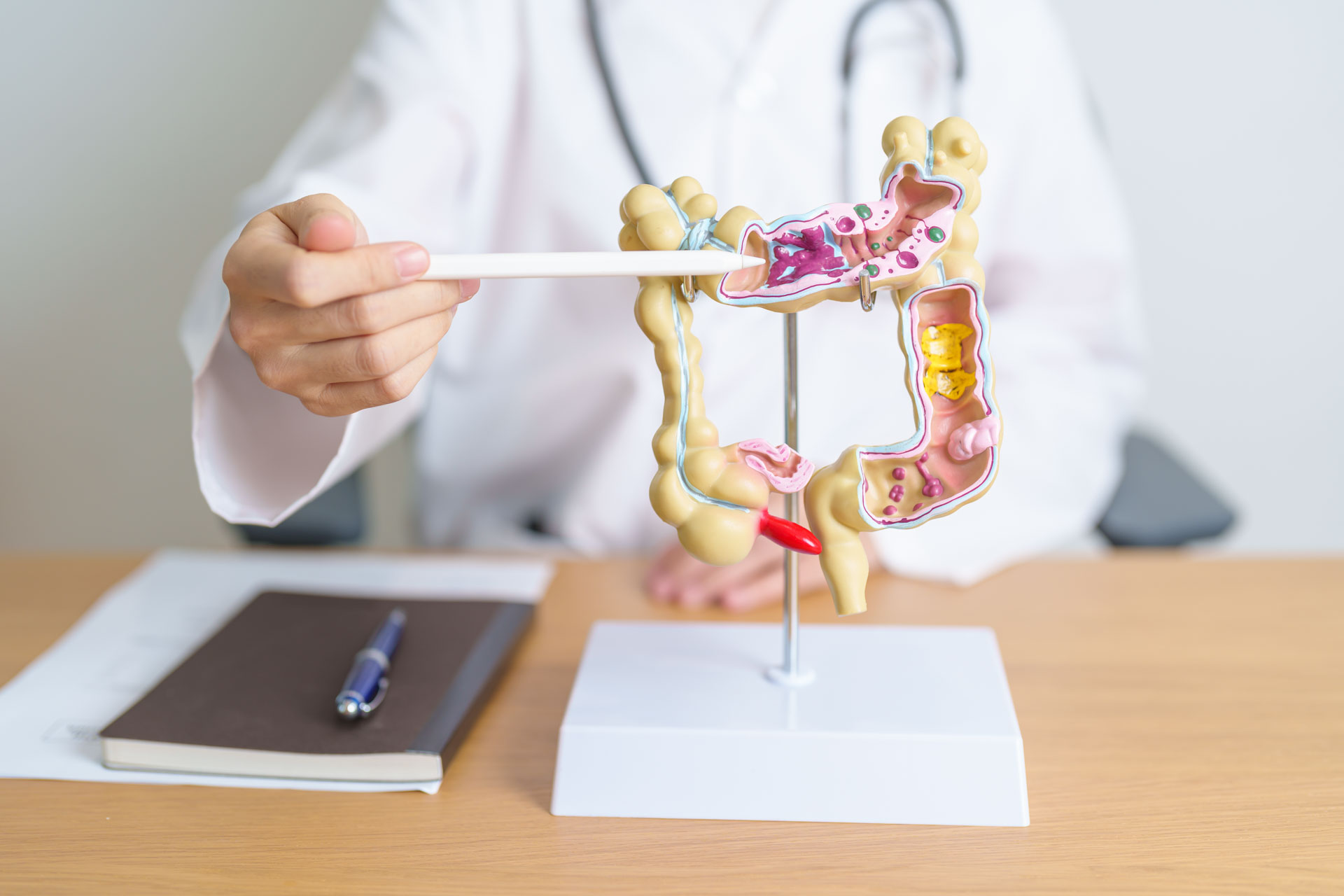
Understanding bowel cancer and why screening matters Bowel cancer (also known as colorectal cancer) is one of the most common cancers in Australia.
Why early detection is so important Early-stage bowel cancer often has no symptoms. Screening can detect polyps before they become cancerous. When bowel cancer is detected early, it is one of the most treatable cancers.
Symptoms to look out for Whether or not you’ve done a FOBT, see your doctor if you notice:
rectal bleeding changes in bowel habits lasting more than a few weeks persistent diarrhoea or constipation unexplained weight loss iron deficiency or fatigue abdominal pain. Most of these symptoms are caused by conditions unrelated to cancer, but they always require medical review.
How bowel cancer screening works Australia’s National Bowel Cancer Screening Program (NBCSP) sends a free screening kit to eligible adults every 2 years.
Who receives a free kit? Adults aged 50 to 74 automatically receive a kit. People aged 45–49 can request a free kit. REQUEST A FREE TEST KIT
How the test works The kit is used at home. Two small stool samples are collected from separate bowel motions. Samples are mailed back in a prepaid envelope. Results are sent to you and your GP. It’s quick, private, and one of the most effective cancer screening tools available.
What a positive FOBT means A positive result means:
Blood was detected in the stool sample. The amount is often tiny, not visible to the eye. The test cannot identify the source of bleeding. A colonoscopy is needed to find out more. Importantly, most people with a positive result do not have bowel cancer.
Only a small percentage of positive FOBTs lead to a diagnosis of bowel cancer.
Common causes of a positive FOBT A range of conditions can cause a positive result, including:
polyps (small growths in the bowel that can bleed) haemorrhoids anal fissures (small tears) inflammation, including ulcerative colitis or Crohn’s disease diverticular disease stomach or bowel ulcers infections or irritation medications that increase bleeding risk. After a positive FOBT, a colonoscopy is recommended WITHIN 30 DAYS to exclude any sinister cause.
What to do after a positive FOBT Book an appointment with us
Fast-track your follow-up after a positive bowel screening test.
Book Nurse Practitioner Consult
Why follow up quickly? Early investigation is the key to preventing bowel cancer or treating it early.
remove polyps before they become cancerous identify and treat simple causes of bleeding diagnose inflammation or infection detect early cancers that may not yet cause symptoms.
What if my FOBT result is negative? A negative FOBT means no blood was detected, but screening should continue.
Repeat bowel screening every 2 years. See your GP if you develop new symptoms such as: rectal bleeding ongoing changes in bowel habits prolonged diarrhoea or constipation unexplained weight loss iron deficiency or fatigue.
Why choose Mater Hill Gastroenterology? Experienced Gastroenterologists and Nurse Practitioners. Priority access to diagnostic colonoscopy. Clear communication and patient-centred care. Convenient location within the Mater Hill medical precinct. A multidisciplinary team for more complex bowel conditions.