

While occasional bloating or changes in bowel habits can be normal, persistent symptoms deserve proper assessment. Many gastrointestinal conditions are more common in women or present differently compared to men, making an individualised approach to diagnosis and treatment essential.
IBS affects women almost twice as often as men and is one of the leading causes of chronic digestive symptoms. Common symptoms include abdominal pain, bloating, constipation, diarrhoea or alternating bowel habits.
Many women notice their symptoms fluctuate throughout the menstrual cycle due to hormonal changes. Although IBS is not dangerous, it can have a significant impact on quality of life and often responds well to personalised dietary and medical management.
Endometriosis affects around one in nine Australian women and can involve the bowel, causing symptoms that closely resemble IBS.
Women may experience bloating, painful bowel motions, constipation or diarrhoea, particularly around their menstrual period, as well as pelvic pain. Because symptoms overlap with gastrointestinal disorders, diagnosis is often delayed. Close collaboration between gastroenterologists and gynecologists is important in providing the right care.
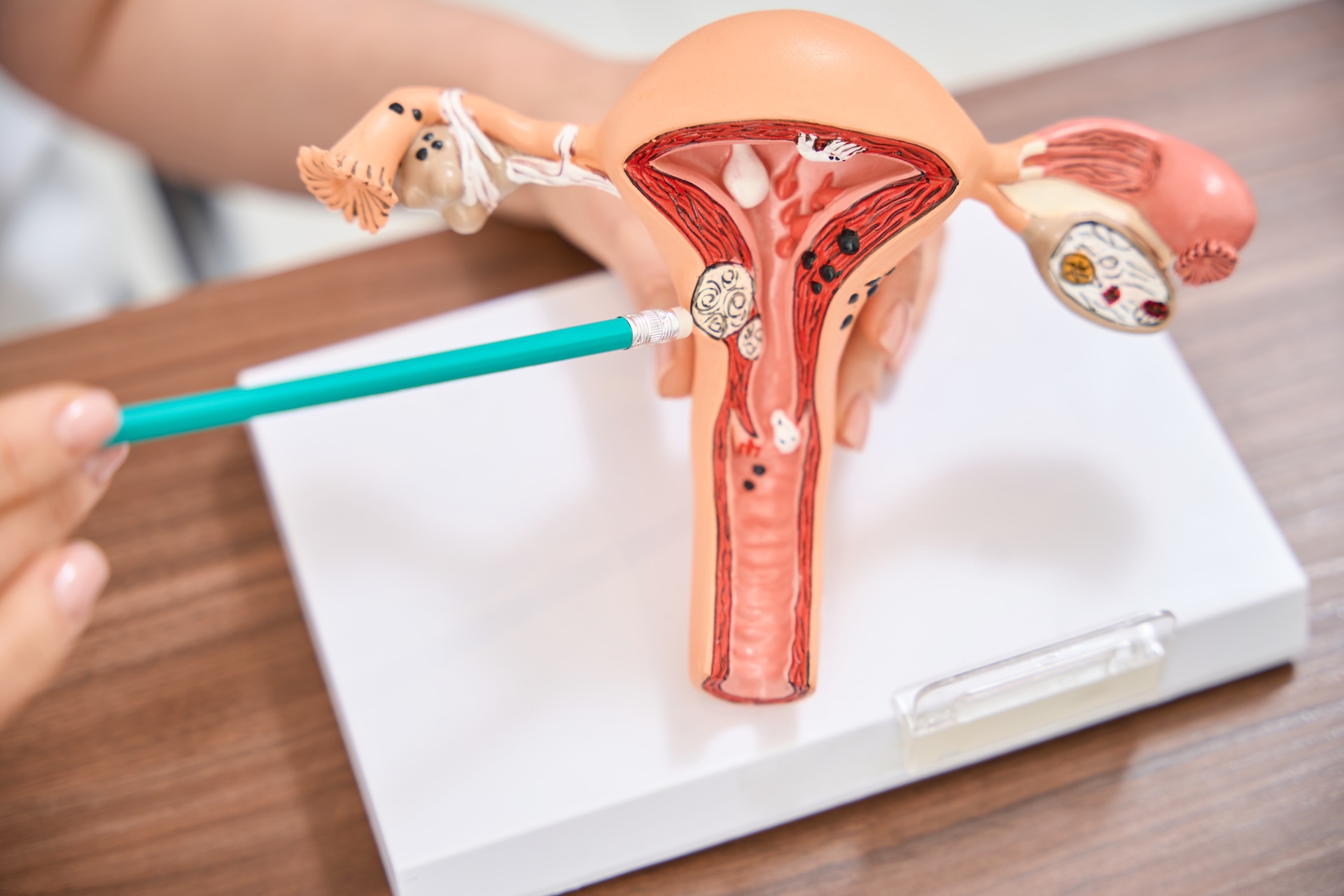
Female hormones influence how the digestive tract functions. Many women experience bloating, constipation, reflux or abdominal discomfort during their menstrual cycle, pregnancy, perimenopause or menopause.
While hormonal changes can affect gut function, ongoing or severe symptoms should not simply be accepted as a normal part of life.
Autoimmune conditions are more common in women and can significantly affect digestive health.
Coeliac disease occurs when gluten triggers damage to the small intestine and may present with bloating, diarrhoea, iron deficiency or fatigue. Some women have few digestive symptoms and instead present with infertility, osteoporosis or nutritional deficiencies.
Inflammatory bowel disease (Crohn's disease and ulcerative colitis) causes chronic inflammation of the bowel and commonly presents with abdominal pain, diarrhoea, rectal bleeding and weight loss. Early diagnosis and treatment are important to prevent complications and maintain long-term health.
Digestive health and reproductive health are closely connected. Conditions such as coeliac disease and inflammatory bowel disease can affect fertility if left untreated. Nutritional deficiencies caused by gastrointestinal disorders may also influence reproductive health.
Women undergoing IVF may notice increased bloating, abdominal discomfort or changes in bowel habits as hormone medications affect the digestive tract. While these symptoms are often temporary, persistent or severe gastrointestinal symptoms should be assessed to exclude an underlying condition and optimise overall health before and during pregnancy.
Disorders of gut–brain interaction (DGBIs) occur when communication between the brain and the digestive tract becomes disrupted.They are common in women and include conditions such as irritable bowel syndrome (IBS) and functional dyspepsia.
Symptoms can include abdominal pain, bloating, nausea, constipation, diarrhoea or early fullness after eating, even when routine investigations are normal. Hormonal changes, stress, previous gastrointestinal infections and alterations in the gut microbiome can all playa role. Management is individualised and may include dietary changes, medication and therapies that target the gut–brain connection.
Reflux and constipation are particularly common inwomen due to hormonal influences, and pelvic floor changes.
Frequent heartburn, difficulty swallowing, persistent constipation or a feeling of incomplete bowel emptying should not be ignored. These symptoms often respond well to appropriate investigation and tailored treatment.
Bowel cancer is increasingly being diagnosed in younger adults, making it important not to dismiss concerning symptoms.
Warning signs include blood in the stool, persistent changes in bowel habits, unexplained weight loss or iron deficiency.Screening and surveillance may be recommended depending on your age, symptoms and family history.
Persistent digestive symptoms should never be ignored or simply attributed to hormones or stress. Whether you're experiencing ongoing bloating, abdominal pain, changes in bowel habits, reflux or unexplained digestive symptoms, specialist assessment can help identify the underlying cause and guide effective treatment.
Dr Elizabeth Goode has a particular interest in gastrointestinal disorders affecting women and understands the important relationship between digestive health, hormonal changes, autoimmune disease and fertility. She provides compassionate, evidence-based care tailored to each stage of a woman's life.
If you're concerned about your digestive health or would like expert advice, book a consultation with Dr Elizabeth Goode to discuss your symptoms and develop a personalised management plan.
Contact our team, we’re here to help.
We offer fast-tracked appointments for anyone with a positive bowel screening test.
Our Nurse Practitioner can:
We have convenient locations within the Mater Hill medical precinct or a range of hospitals around Brisbane, including Mater Hospital Springfield, Sunnybank Private, Westside Private Taringa and Spring Hill Day Surgery.